
Flatbed Truck Driver Jobs
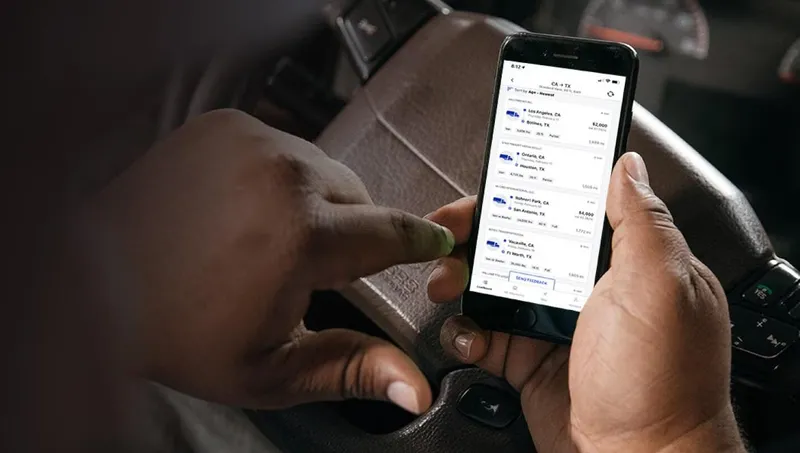
Flatbed driving positions with O Trucking. Competitive pay at $2.58/mile, 24/7 support, choose your loads.
Key Takeaways
- O Trucking hires Flatbed drivers with per-mile pay of $0.80–$1.50/mile and current spot rates near $2.58/mile.
- Flatbed drivers average about $5,100 in weekly gross, with contract rates around $3.02/mile.
- You choose your own loads with 24/7 dispatch support and no forced dispatch.
- Apply online in about 60 seconds — most flatbed drivers start within 48 hours — or call +1-682-978-8641.
 O Trucking
Flatbed Market Snapshot
Spot Rate
$2.58/mi
Contract Rate
$3.02/mi
Avg Weekly Gross
$5,100
What It's Like to Drive Flatbed
Flatbed driving is the blue-collar aristocracy of trucking. You earn more per mile because the work is harder — and fewer drivers are willing to do it. Every load requires securement: chains, binders, straps, edge protectors, and tarps. You climb on the deck in rain, heat, and cold. You throw 60-pound tarps over steel coils. You crank binders until your forearms burn. But you also haul the most interesting freight in trucking — structural steel for skyscrapers, lumber for housing developments, wind turbine blades stretching 150 feet, and heavy machinery worth more than your truck. There's a satisfaction in seeing a building go up and knowing your flatbed delivered the steel. The 2026 market is strong: data center construction, infrastructure projects, and renewable energy installations are driving record flatbed demand. If you don't mind the physical work, flatbed is where the money is.
What You'll Haul
Top Flatbed Lanes
Flatbed Requirements
- CDL-A license
- Flatbed trailer (48-53 ft)
- Securement equipment — chains, straps, binders, edge protectors, tarps
- Clean MVR and CSA record
- Insurance COI with $1M minimum liability
- Physical ability to tarp, strap, and climb on the deck
Why Drive Flatbed With O Trucking?
Tarping Pay Included
We negotiate tarping pay ($75-100 per tarp) into every load that requires it. It's in writing on the rate confirmation before you commit.
Infrastructure Boom
Data centers, power grid upgrades, and renewable energy projects are driving record flatbed demand in 2026. This isn't seasonal — it's structural.
Higher Base Rates
Flatbed pays more because the work is harder and fewer drivers do it. That physical barrier is your competitive advantage.
Diverse Freight Mix
Steel one day, lumber the next, machinery on Friday. Flatbed freight variety keeps the work interesting and builds your skills.
Flatbed Jobs by State
Find flatbed driving jobs in your state.
Northeast
Midwest
Southwest
Flatbed Driver Jobs FAQ
Common questions about flatbed driving jobs with O Trucking.
How much do flatbed drivers earn?
Flatbed drivers earn a premium over dry van — typically $60,000-$85,000/year. Current spot rates average $2.68/mile. Tarping pay adds $75-100 per tarp on top. The physical work is why fewer drivers do it, which keeps rates higher.
Can I drive flatbed with no experience?
Yes, but be upfront about your experience. Flatbed requires securement knowledge — chains, straps, binders, edge protectors, tarps. New flatbed drivers start on simpler loads (lumber, pipe) before working up to coils and machinery.
What's driving flatbed demand in 2026?
Data center construction (steel and concrete), energy infrastructure (power grid upgrades), and renewable energy projects (solar panels, wind turbines). These are multi-year projects — flatbed demand is structural, not seasonal.
How physical is flatbed driving?
It's physical work. You'll throw tarps, crank binders on steel coils, and climb on the deck to secure loads. But that physical barrier is exactly why flatbed pays more — fewer drivers willing to do it means less competition and higher rates.
What securement equipment do I need for flatbed?
At minimum: 4-inch ratchet straps (20+), 3/8-inch Grade 70 chains with binders (8-12), edge protectors, corner protectors, lumber tarps (8-foot drop), steel tarps (6-foot drop), and coil racks if you haul steel coils. Budget $3,000-5,000 for a complete securement kit.
Do flatbed drivers get paid for tarping?
We negotiate tarping pay ($75-100 per tarp) into every load that requires it. It's written on the rate confirmation before you commit. Some drivers earn an extra $300-500/week just from tarping pay. Loads that don't require tarps (lumber, pipe) still pay flatbed rates without the extra work.
What's the best flatbed trailer length?
48-foot is the most versatile — fits most loads and is easier to maneuver than a 53-foot. If you run steel coils or long steel, 48 is standard. For lumber and building materials, 53-foot trailers carry more volume. Many flatbed drivers start with a 48 and add a 53 later.
Apply in 60 Seconds
Most flatbed drivers start within 48 hours. No long forms — just the basics.