
Los Angeles Dry Van: Port-to-Warehouse Freight Specialists
Los Angeles's port traffic means dry van carriers have a constant stream of containerized consumer goods moving inland. From imported electronics to retail merchandise, the freight flowing through Los Angeles keeps 53-foot trailers loaded year-round. The key isn't finding loads — it's picking the lanes that minimize deadhead and maximize revenue per mile. Flat $250/week per truck — unlimited loads, no forced dispatch. We verify all brokers and negotiate top rates. Know your cost per mile before booking.
Dry Van Quick Facts
- Spot rate: $2.69/mi · Contract: $2.97/mi
- $250/wk flat · Unlimited loads · No contracts
- Key routes: I-5, I-10, I-110
- Top freight: Fashion & apparel, Retail & consumer goods distribution
- Start dispatching within 48 hours
Key Takeaways
- Dry Van dispatch in Los Angeles, CA is a flat $250/week per truck — unlimited loads, no commission.
- Local dry van rates average $2.69/mile spot and $2.97/mile contract.
- Includes 24/7 load booking, rate negotiation, and broker vetting on Los Angeles-area freight — no forced dispatch.
- No contracts or setup fees; typical trucks gross about $5,050/week.
Dry Van Dispatch Intelligence for Los Angeles
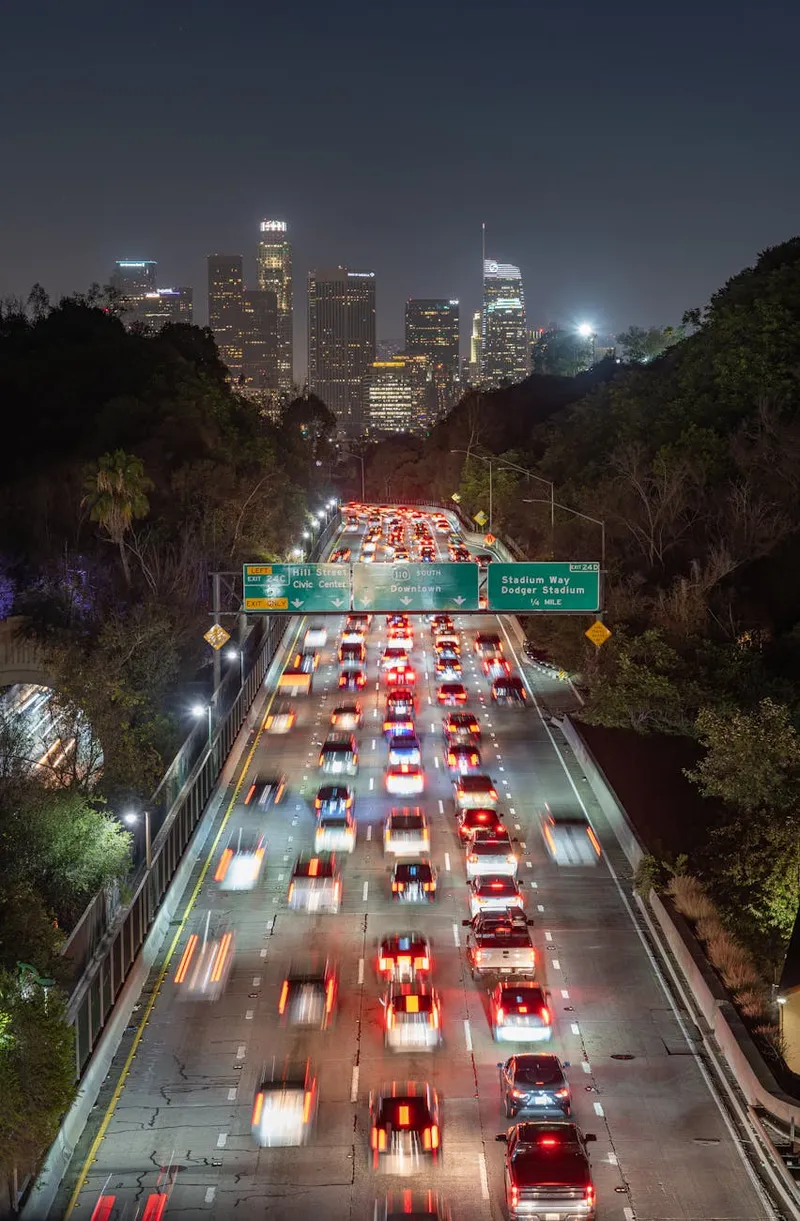
Los Angeles sits on I-5 and I-10, giving dry van carriers direct access to major freight corridors. The local economy is driven by Port logistics & intermodal, Entertainment & media, Aerospace & defense, which generate consistent dry van freight demand year-round. Key shippers in the area include Boeing (El Segundo) and Northrop Grumman (Palmdale), offering both inbound materials and outbound finished goods for dry van carriers. Distribution centers like Amazon LAX9 (San Bernardino) and Amazon LGB3 (Eastvale) create drop-and-hook opportunities that minimize your wait time. Local drivers should note: I-710 to the Ports of LA/Long Beach is the most congested freight corridor in the nation.
Dry Van Dispatch Services in Los Angeles
Everything you need to succeed as a dry van carrier in Los Angeles, California.
Local Dry Van Market Intel
Real-time rate data and broker relationships in this high-volume market. We know which dry van loads are priced right.
Drop-and-Hook Priority
We target drop-and-hook facilities to maximize your daily load count. Less detention, more miles, better weekly gross.
24/7 Dispatch Support
Round-the-clock dry van dispatch for this fast-paced freight market. Load opportunities don't wait — neither do we.
$250/wk Flat Rate
Flat $250/week per truck for dry van — unlimited loads, no per-load commission. In a competitive market, every dollar matters.
Broker Vetting
High-volume markets attract bad actors. We verify every broker's credit and payment history before booking your dry van loads.
Rate Optimization
We factor local market conditions, seasonal trends, and lane competition into every dry van rate negotiation.
What Dry Van Freight Moves Through Los Angeles
Dry Van carriers in Los Angeles, CA commonly haul these freight types based on local industry:
Los Angeles Transportation Hub for Dry Van Carriers
Key routes, truck stops, and parking for dry van carriers operating in Los Angeles, CA.
Dry Van Rate Snapshot — Los Angeles Market
Spot Rate
$2.69
per mile
Contract Rate
$2.97
per mile
Avg Weekly Gross
$5,050
per truck
Flat Rate
$250
per week
West Coast dry van rates run above national average due to CARB compliance costs and high port-to-warehouse demand. Los Angeles carriers benefit from consistent import-driven freight but face higher fuel costs and congestion surcharges. Drop-and-hook opportunities at major retailers help maximize daily loads.
Major Highways & Interstates
- I-5
- I-10
- I-110
- I-405
- I-710 (Long Beach Freeway)
- US-101
- SR-60
Truck Stops & Fuel
- Pilot Travel Center (I-5 Exit 195 Lebec)
- TA Ontario (I-10 Exit 58)
- Flying J Barstow (I-15 & I-40)
- Love's #603 (I-5 Castaic)
Truck Parking
- Rest area I-5 northbound Tejon Pass (45 spaces)
- TA Ontario truck lot (120 spaces)
- Pilot Lebec (80 spaces)
- Truck staging lots along Alameda Corridor near ports
Top Dry Van Lanes Near Los Angeles
- Los Angeles to Phoenix
- Los Angeles to Salt Lake City
- Los Angeles to Denver
- Los Angeles to Portland
- Los Angeles to Las Vegas
Nearest Weigh Station
I-5 southbound at Grapevine (mile marker 210, Lebec)
Local Dry Van Challenges
I-710 to the Ports of LA/Long Beach is the most congested freight corridor in the nation. AB5 independent contractor law impacts owner-operators. CARB emissions regulations require DPF-equipped engines or 2010+ model year trucks. Container chassis shortages at ports create drayage bottlenecks. Night-gate programs help reduce daytime congestion. For dry van carriers: dock scheduling and detention time are the biggest operational challenges. Plan for 1-2 hour wait times at major distribution centers and retail receivers during peak hours.
Los Angeles Economy: What It Means for Dry Van Carriers
How Los Angeles's industries create dry van freight demand — and what it means for your bottom line at $2.69-$2.97/mile.
What Dry Van Carriers Haul in Los Angeles
Los Angeles Industries Driving Dry Van Demand
Major Dry Van Shippers & Facilities
- Regional retail distribution operations
- Consumer goods manufacturers
Inbound Dry Van Freight
- Imported consumer goods from Ports of LA/Long Beach (40% of US imports)
- Furniture and home goods
- Electronics from Asia
Outbound Dry Van Freight
- Apparel and fashion goods nationwide
- Processed food products to Western US
- Retail goods to regional store networks
Dry Van Pickup & Delivery Points
Los Angeles Facts for Dry Van Carriers
- Port of LA/Long Beach: Busiest US port complex
- 40% of all US imports arrive through LA/LB ports
- Clean Truck Program: 2014+ trucks required
- Inland Empire: 1.7B sq ft warehouse space
- CARB regulations: 2011+ engines required
Port Info for Dry Van Carriers
Ports of LA and Long Beach combined handle 17.3 million TEUs annually. Clean Truck Program compliance mandatory.
Dry Van Shippers in Los Angeles
Dry Van Special Requirements
TWIC card, Clean Truck Program compliance, LMC registration, CARB-compliant equipment.
Your Dry Van Dispatch Partner
Finding quality dry van loads in Los Angeles shouldn't be a full-time job. That's where we come in. Our experienced dispatch team handles everything—broker verification, rate negotiation, and load coordination—so you can focus on driving and earning. Learn about true operating costs to maximize your profit.
As a high-volume West freight market, this area offers strong load availability but intense competition. Our dispatchers monitor local freight lanes in real time, filtering through hundreds of daily postings to surface the loads worth your time — properly rated, from vetted brokers, on lanes that minimize deadhead.
Strategic Load Acquisition
Constant monitoring of load boards and broker contacts for local dry van opportunities that match your lane preferences.
Aggressive Rate Negotiation
Data-driven negotiation using California market rates. We push back on lowball offers and secure rates that cover your costs plus profit.
Complete Back-Office Support
Rate confirmations, broker communications, delivery coordination, and documentation handled professionally so you can concentrate on safe driving.
Dry Van Dispatch Pricing
Flat weekly rate — unlimited loads, no commission
- Zero upfront costs to start
- Month-to-month flexibility
- You choose which loads to accept
- Support available around the clock
- Access to Los Angeles area freight
Your Dry Van Dispatch Partner
Dry van carriers in Los Angeles choose us for consistent load availability and competitive rate negotiation. We know which California brokers pay on time.
California Industries Driving Dry Van Freight
California generates more freight than any other state. LA/Long Beach — the Western Hemisphere's largest port complex — handles Pacific Rim imports, while the Central Valley produces more agricultural output than most countries. The state's CARB emissions requirements add compliance complexity for all carriers.
Port & Container Logistics
Containers, imports, transload freight
Agriculture (Central Valley)
Produce, nuts, dairy, wine
Technology
Data center equipment, electronics, components
Entertainment & Media
Set equipment, props, production materials
Dry Van Dispatch FAQ - Los Angeles
Common questions about our dry van dispatch services in Los Angeles, California.
What dry van freight comes through Los Angeles's port?
Port freight in Los Angeles generates substantial dry van loads. Imported consumer goods, electronics, retail merchandise, and packaged foods are transloaded from containers into 53-foot trailers for inland distribution. These loads often pay premium rates due to the time-sensitive nature of port freight and tight delivery windows.
Do I need special permits for dry van port work in Los Angeles?
Standard dry van port drayage in Los Angeles doesn't require special permits beyond your MC authority and standard insurance. However, some port facilities require TWIC cards for entry. Our dispatch team handles appointment scheduling and ensures your paperwork is in order before you arrive.
What are the requirements for LA/Long Beach port drayage?
LA/Long Beach port drayage requirements: TWIC card for all drivers, Clean Truck Program registration (trucks must be 2014 or newer), port-specific drayage license, LMC (Licensed Motor Carrier) registration with the harbor department, and appointment scheduling through the Port Community System. Non-compliant trucks face $500+ fines per entry. Standard dry van operations typically don't require special drayage permits unless entering port facilities directly — most loads are picked up at off-port warehouses.
How do I get loads from the Port of Los Angeles?
LA port load strategies: Register with marine terminal operators, partner with steamship line-approved carriers, join harbor drayage associations, use platforms like Harbor Trucking Association's load board, connect with customs brokers and freight forwarders. Chassis pools (DCLI, TRAC) provide equipment. Average port drayage pays $300-600 for local moves.
What are the best outbound lanes from Los Angeles?
Top LA outbound lanes: LA to Phoenix (I-10, 370 miles, $2.50-3.00/mi), LA to Dallas (I-10/I-20, 1,400 miles, $2.40-2.80/mi), LA to Chicago (I-15/I-70, 2,015 miles), LA to Seattle (I-5, 1,135 miles, produce backhaul). Eastbound rates typically higher than westbound due to trade imbalance. Dry Van carriers should focus on high-volume retail and distribution lanes where 53-foot trailer demand is strongest and drop-and-hook facilities minimize detention.
How do California trucking regulations affect LA operations?
California regulations impacting LA trucking: CARB (California Air Resources Board) requires 2011+ engines or retrofits, meal/rest break requirements (30-min meal by 5th hour, 10-min rest per 4 hours), AB5 affecting owner-operators (must show independence), and GVWR-based registration fees. Prop 22 exempts trucking from some AB5 provisions.
Where can I park my dry van near Los Angeles, CA?
Truck parking options near Los Angeles include: Rest area I-5 northbound Tejon Pass (45 spaces); TA Ontario truck lot (120 spaces); Pilot Lebec (80 spaces). Major truck stops serving Los Angeles dry van drivers include Pilot Travel Center (I-5 Exit 195 Lebec), TA Ontario (I-10 Exit 58), Flying J Barstow (I-15 & I-40). Parking fills up quickly during peak freight hours (early morning and late afternoon), so plan ahead. Apps like TruckPark and Trucker Path can help find real-time availability in the area.
What are the main freight routes through Los Angeles for dry van?
The primary freight corridors here include I-5, I-10, I-110, I-405. I-5 is typically the highest-volume route for dry van loads. Our dispatchers plan routes using these corridors to minimize deadhead and maximize loaded miles. Real-time traffic and road conditions affect which route is optimal on any given day.
What industries generate dry van freight in Los Angeles?
Top freight-generating industries here include Port logistics & intermodal, Entertainment & media, Aerospace & defense. Major shippers and manufacturers in the area include Boeing (El Segundo), Northrop Grumman (Palmdale), SpaceX (Hawthorne). These businesses generate consistent dry van loads that our dispatch team can match to your schedule and preferred lanes.
What distribution centers are near Los Angeles for dry van freight?
Major distribution and fulfillment centers near Los Angeles include Amazon LAX9 (San Bernardino), Amazon LGB3 (Eastvale), Walmart DC #6059 (Chino), Target Import Warehouse (Rialto). These facilities generate consistent pickup and delivery opportunities for dry van carriers. Appointment scheduling varies by facility — our dispatchers coordinate timing to minimize your wait time and maximize loaded miles.
What freight moves in and out of Los Angeles by dry van?
Inbound dry van freight to Los Angeles typically includes Imported consumer goods from Ports of LA/Long Beach (40% of US imports), Electronics from Asia, Furniture and home goods. Outbound loads from Los Angeles include Apparel and fashion goods nationwide, Entertainment equipment and props, Aerospace components. This two-way freight flow means Los Angeles-based carriers can often find backhauls without significant deadhead, keeping your utilization high.
What dry van dispatch challenges should I know about in Los Angeles?
I-710 to the Ports of LA/Long Beach is the most congested freight corridor in the nation. AB5 independent contractor law impacts owner-operators. CARB emissions regulations require DPF-equipped engines or 2010+ model year trucks. Container chassis shortages at ports create drayage bottlenecks. Night-gate programs help reduce daytime congestion. Our Los Angeles dispatch team knows these local conditions and plans loads accordingly — scheduling around peak congestion, monitoring weather, and choosing routes that keep your dry van moving efficiently.
Where is the nearest weigh station to Los Angeles for dry van trucks?
The nearest weigh station to Los Angeles is at I-5 southbound at Grapevine (mile marker 210, Lebec). All dry van operators should maintain current registration, insurance documentation, and ELD compliance for smooth passage. PrePass and Drivewyze can help you bypass open stations.
What types of dry van loads run through Los Angeles, CA?
West dry van freight originates from the largest port complex in the Western Hemisphere — LA/Long Beach — plus Seattle/Tacoma and Oakland. Containers transloaded into 53-foot dry vans move consumer goods to distribution centers across the western states. California's Central Valley adds agricultural packaging volume. Check current Los Angeles freight rates on DAT (dat.com) or Truckstop (truckstop.com).
What does dry van dispatch cost in Los Angeles, CA?
Flat weekly rate per truck — $250/wk for semis, $350/wk for box truck and hotshot. Unlimited loads, no per-load commission. Industry-standard dispatchers charge 5–10% of every load (that's $250–$500/wk on a $5,000 gross) — our flat rate caps your cost no matter how hard you run. No setup fees, no hidden charges, no contracts. Full pricing at otrucking.com/pricing.
How does O Trucking find loads for Los Angeles carriers?
We use a combination of direct broker relationships, load board monitoring (DAT, Truckstop), and shipper contacts to find the best-paying dry van loads near Los Angeles. Our dispatchers negotiate rates and verify broker credit before booking. Check current market rates at dat.com.
Can I run regional dry van loads out of Los Angeles and still stay home weekly?
Yes — many of our dry van carriers run regional routes within California and neighboring states, getting home weekly or even nightly for local runs. We match loads to your preferred lanes and home time schedule. You always choose which loads to accept.
What are the best dry van lanes running through Los Angeles, CA?
The best Los Angeles dry van lanes depend on the season and market conditions. Our dispatchers monitor rate trends daily using DAT and Truckstop data to identify the highest-paying lanes. We focus on minimizing deadhead miles and maximizing your revenue per loaded mile. Call +1-682-978-8641 for current lane recommendations.
What mountain pass considerations affect Los Angeles freight?
Western mountain passes on I-70, I-80, and I-90 have seasonal closures, chain requirements, and weight restrictions. Our dispatch team monitors pass conditions and plans routes that keep Los Angeles carriers safe while meeting delivery commitments. Winter-ready equipment is essential for West operations.
How do you navigate Los Angeles's congestion for pickups and deliveries?
Our dispatchers understand Los Angeles's traffic patterns and schedule pickups/deliveries during optimal windows. We factor congestion time into rate negotiations so you're compensated fairly for urban delivery challenges. Detention pay applies when wait times exceed 2 hours.
Is January a slow month for dry van freight near Los Angeles?
January is traditionally the slowest freight month — post-holiday demand drops and many shippers run down inventory. Los Angeles dry van rates can dip 5-15% from peak Q4 levels. Smart carriers use January for maintenance, home time, and repositioning for spring demand. By mid-February, rates typically recover.
Los Angeles Trucking Resources
Official resources for dry van carriers operating in Los Angeles, California.
Other Dispatch Services in Los Angeles
More Dry Van Dispatch Locations
Trucking Resources
Learn more: Read our complete Dry Van glossary guide for equipment specs, typical freight, and industry terminology.
Broker Verification
Verify brokers before accepting loads
Operating Costs
Understand true cost per mile
Rate Negotiation
Get better rates from brokers
Detention Pay
Compensation for waiting time
Layover Pay
Overnight wait compensation
Factoring
Get paid in 24 hours
TONU
Canceled load fee protection
Accessorial Charges
All trucking extra fees
Broker Credit Check
Check broker payment history
Cost Per Mile
Calculate your true operating cost
Fuel Advance
Get fuel money before delivery
Deadhead Miles
Reduce costly empty miles
Rate Confirmation
Protect yourself with proper docs
Looking for dry van drivers in Los Angeles? Check our open positions.
Also from O Trucking
Looking for a Driving Job?
CDL and non-CDL positions available. All equipment types, all 50 states.
Browse Driver Jobs →Need to Hire Drivers?
Pre-screened CDL drivers matched in 2-3 days. Only $500 per placement.
Get Matched with Drivers →Need a Website?
Free professional website design for any business. Hosting just $150/year.
Get Free Website →Ready to Start Dispatching in Los Angeles?
Join 80+ carriers who trust O Trucking LLC for their dry van dispatch needs. Call now for a free consultation.