
What is a Bill of Lading?
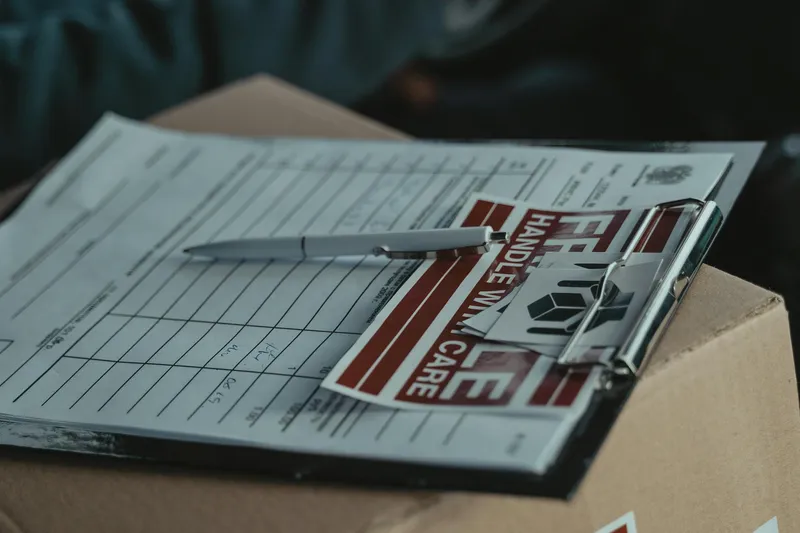
A Bill of Lading (BOL) is the most important document in trucking. It's a legal contract between shipper and carrier that serves as a receipt for goods, a shipping contract, and sometimes a document of title. Understanding BOLs protects you from claims.
Key Takeaways
- A BOL acts as a receipt for the freight, the shipping contract, and sometimes a document of title.
- The shipper usually creates the BOL, but the driver must verify it matches the load before signing.
- Once you sign, you are liable for any shortages or damage not noted, so inspect and document everything first.
- A 'clean' BOL shows no problems; a 'dirty' or claused BOL records pre-existing damage or discrepancies.
- Most trucking uses the non-negotiable Straight BOL, which can only be delivered to the named consignee.
- Keep BOLs for at least 3 years, the statute of limitations for most freight claims.
Ahmad Qazi
Founder & CEO, O Trucking LLC
Fact-Checked by O Trucking Dispatch Team
5+ years helping carriers with freight documentation
Sources:
Written by Ahmad Qazi, founder of O Trucking LLC, drawing on 9+ years dispatching for owner-operators. Learn more about us.
 O Trucking
The 3 Functions of a Bill of Lading
Receipt
Confirms the carrier received the goods from the shipper in the described condition
Contract
Legal agreement for transportation services between shipper and carrier
Document of Title
Negotiable BOLs can transfer ownership of goods (less common in trucking)
Types of Bills of Lading
Straight BOL (Non-Negotiable)
Most common in trucking. Goods can only be delivered to the named consignee. Cannot be transferred or sold.
Order BOL (Negotiable)
Can be endorsed and transferred to another party. Title to goods transfers with the document. More common in international shipping.
Master BOL
Used when consolidating multiple shipments. Individual shipments have House BOLs under the Master.
Uniform BOL (VICS BOL)
Standardized format used by major shippers and retailers. Includes barcodes for scanning.
Required Information on a BOL
Shipper Information
Legal name, address, contact
Consignee Information
Who receives the freight
Carrier Information
Your company name, MC/DOT
Pickup/Delivery Dates
When shipped, when due
Description of Goods
What, how many, weight, dimensions
Freight Class
NMFC classification (LTL)
Special Instructions
Handling, temperature, hazmat
Signatures
Shipper and driver at pickup
Critical: Inspect Before Signing
Protecting Yourself with the BOL
At Pickup: Inspect Everything
- 1.Count all pieces against the BOL (don't trust "SLC" - shipper load and count)
- 2.Look for visible damage - dents, tears, water stains, broken pallets
- 3.Note EVERYTHING on the BOL - "2 boxes dented," "shrink wrap torn"
- 4.Take timestamped photos before loading
At Delivery: Document Condition
- 1.Get a signed Proof of Delivery (POD) from the receiver
- 2.If receiver notes damage, don't argue - note their comments and move on
- 3.Take photos showing freight condition at delivery
- 4.Keep your signed copy - this is your protection against claims
The Power of Photos
Common BOL Terms
| Term | Meaning | Your Action |
|---|---|---|
| SLC | Shipper Load & Count | Verify count anyway if possible |
| S/C | Said to Contain | Contents not verified by carrier |
| NMFC | National Motor Freight Classification | Determines LTL pricing class |
| Prepaid | Shipper pays freight | Payment from shipper, not receiver |
| Collect | Receiver pays freight | Bill the consignee |
| 3rd Party | Someone else pays (broker) | Common in brokered freight |
Free Trucking Invoice Generator
Create professional trucking invoices with BOL reference, shipper/consignee details, and all charge types. Download PDF instantly.
Create Free InvoiceBill of Lading FAQ
Common questions about BOL documents in trucking
What information must be on a Bill of Lading?
Required information includes: shipper name and address, consignee name and address, carrier information, date, description of goods (quantity, weight, dimensions), freight class, special handling instructions, payment terms, and shipper/carrier signatures.
Who creates the Bill of Lading?
The shipper typically creates the BOL, though some brokers or carriers may prepare it. Regardless of who creates it, the driver should verify all information is accurate before signing.
What should I do if the BOL doesn't match the load?
Never sign a BOL that doesn't match what you're picking up. Note any discrepancies on the BOL before signing, take photos, and contact the broker/shipper immediately. Signing without noting issues makes you liable for shortages.
What's the difference between clean and dirty BOL?
A 'clean' BOL has no notations of damage or discrepancies. A 'dirty' or 'claused' BOL has driver notes about pre-existing damage, missing items, or other issues. Always create a dirty BOL if there are any problems.
How long should I keep Bills of Lading?
Keep BOLs for at least 3 years - that's the statute of limitations for most freight claims. Some carriers keep them for 5+ years. Digital copies are acceptable if properly stored and backed up.
Questions About Paperwork?
Our dispatch team handles documentation so you can focus on driving. We make sure every load has proper paperwork.